
REGENERATIVE TOURISM AND INDIA: a perfect combination
Regenerative tourism proposes a profound transformation. It’s not just about minimizing the traveler’s impact, but about revitalizing local communities, ecosystems, and cultures. This approach is gaining traction in India, where spiritual, natural, and cultural wealth intertwines with urgent social and environmental challenges.
India, with its vast geography and cultural diversity, has been a magnetic destination for centuries for travelers seeking spirituality, history, nature, and unique sensory experiences. However, the rise of conventional tourism has brought negative impacts: overcrowding of heritage destinations, environmental degradation, gentrification, and a loss of cultural authenticity. Faced with this situation, regenerative tourism is emerging as an ethical and transformative alternative, going beyond sustainable tourism by seeking to give back more than it takes.
Below, OPEN EYES addresses several key aspects and nuances of our vision of the tourism industry:
What is regenerative tourism?
Regenerative tourism is based on principles of repair, revitalization, and co-creation. It doesn’t just reduce damage, but actively seeks to improve the social, ecological, and cultural systems it touches. This involves:
- Positioning and involving local communities as key players, not just service providers.
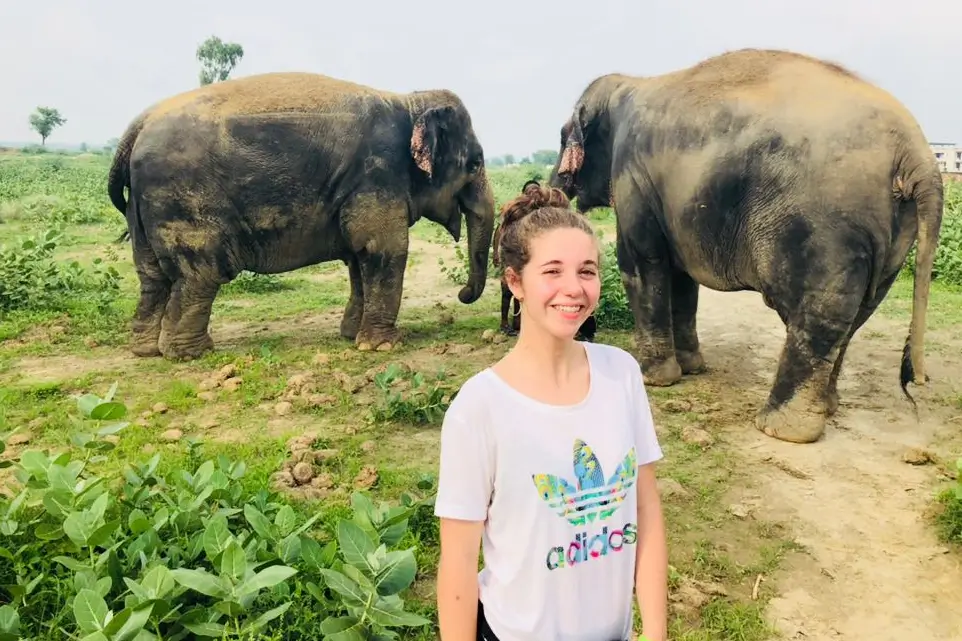
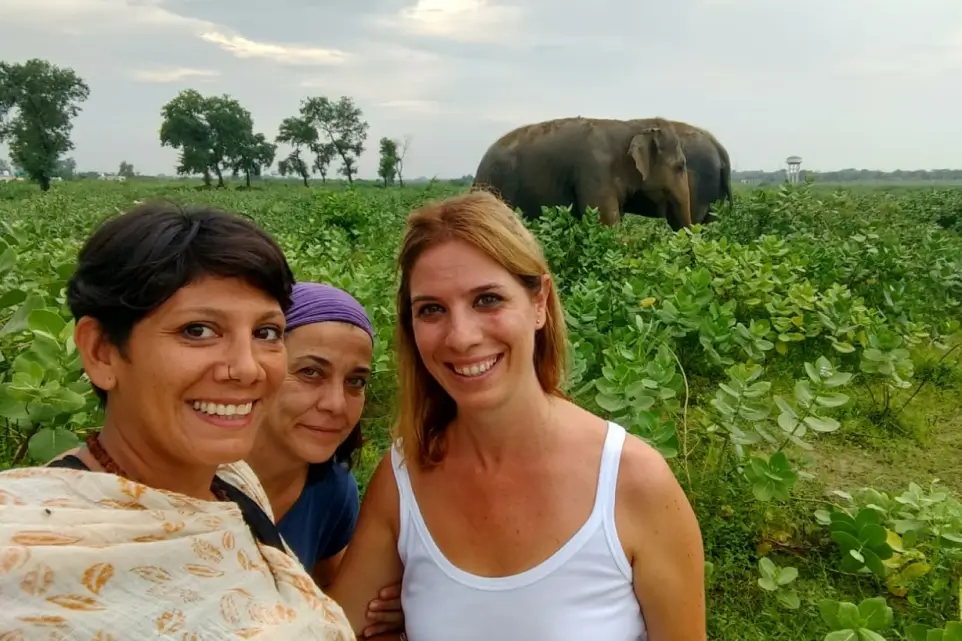
- Restoring ecosystems through conservation practices, reforestation, and regenerative agriculture.
- Revaluing ancestral knowledge and cultural traditions, integrating them into respectful tourism experiences.
- Designing transformative experiences for travelers that foster reflection, learning, and connection.
In India, this approach intertwines with social justice movements, ecological spirituality, and community empowerment, giving rise to initiatives that combine tourism, activism, and regeneration.
India: Fertile Ground for Regenerative Tourism
India offers unique conditions for the development of regenerative tourism, such as:
- Biocultural Diversity: From the Himalayas to the Sundarbans mangroves, and across deserts, rainforests, and coastlines, India boasts impressive biodiversity and a multitude of cultures, languages, and religions.
- Traditional knowledge: Practices such as Ayurveda, permaculture, vernacular architecture, and spirituality based on harmony with nature offer profound regenerative foundations.
- Structural inequalities: Regenerative tourism can be a tool for redistributing benefits, strengthening local economies, and giving visibility to marginalized communities.
- Ecological crises: Pollution, biodiversity loss, and climate change demand tourism models that contribute to environmental restoration.
Cultural and Spiritual Regeneration
India offers not only natural landscapes, but also landscapes for the soul. Regenerative tourism here can include:
- Eco-focused spiritual retreats, where yoga, meditation, and Ayurveda are practiced in harmony with nature.
- Community festivals celebrating local traditions, such as the Hornbill Festival in Nagaland or the Pushkar Mela in Rajasthan, integrating visitors into regenerative rituals.
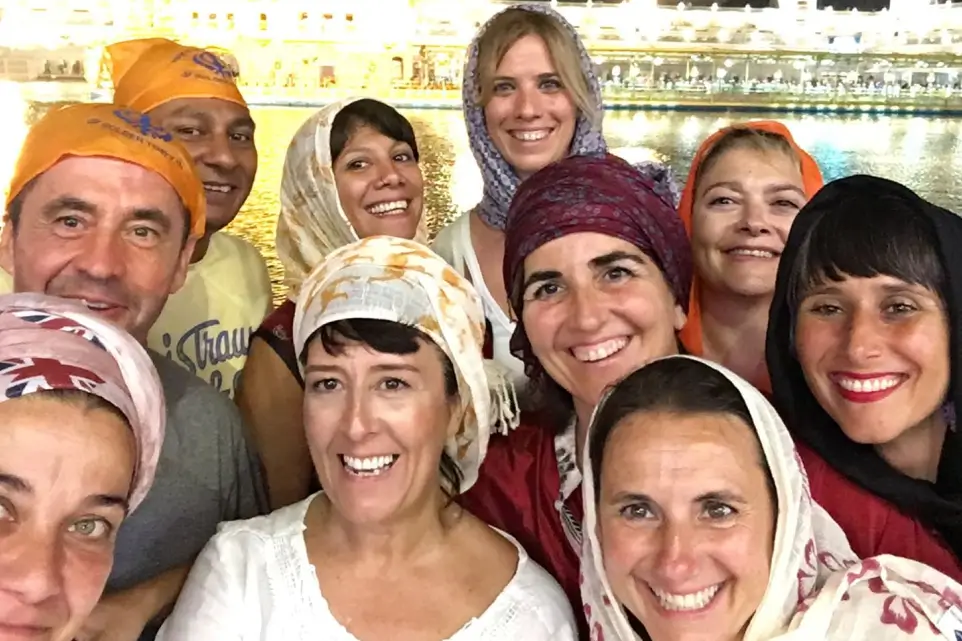
- Wise Women’s Trail tours, highlighting the role of women in spirituality, traditional medicine, and cultural resistance.
Towards a Regenerative Ethic
For regenerative tourism to flourish in India, it is necessary to:
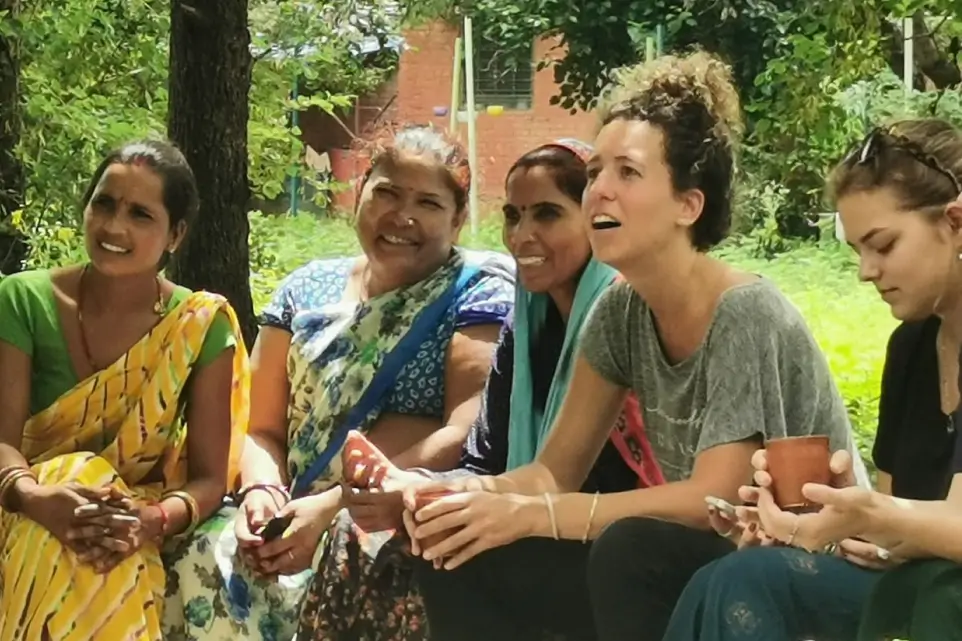
- Co-design experiences with local communities, respecting their timelines, knowledge, and priorities.
- Train travelers in regenerative practices, from conscious consumption to active listening.
- Create regeneration indicators that measure not only environmental impact but also cultural and social strengthening.
- Foster collaborative networks among NGOs, governments, local entrepreneurs, and committed travelers.
The Role of the Traveler
In this model, the traveler ceases to be a consumer and becomes a co-creator. Some key practices include:
- Choosing accommodations managed by local communities.
- Participating in ecological restoration activities.
- Learning about local cultures with respect and reciprocity.
- Reflecting on one’s own impact and transforming travel habits.
Conclusion
For OPEN EYES, regenerative tourism should not be a fad, but an ethical and creative response to the challenges of the 21st century. In the case of India, a country where spirituality, biodiversity, and the fight for justice intertwine, this approach can catalyze processes of collective healing, community empowerment, and reconnection with the land.