
OPEN EYES AND THE ELEPHANTS
Elephants in India represent work, transportation, philosophy, and sustenance; however, it is within this context that OPEN EYES considers it essential to question tourism practices that exploit them, such as elephant rides, shows, and forced labor. Elephants are sentient, intelligent, and social beings that deserve respect and protection. From our beginnings, and after years of observing as ‘spectators,’ Open Eyes in India decided to take a firm stance: not including elephants in our tours, promoting ethical and conscious tourism.
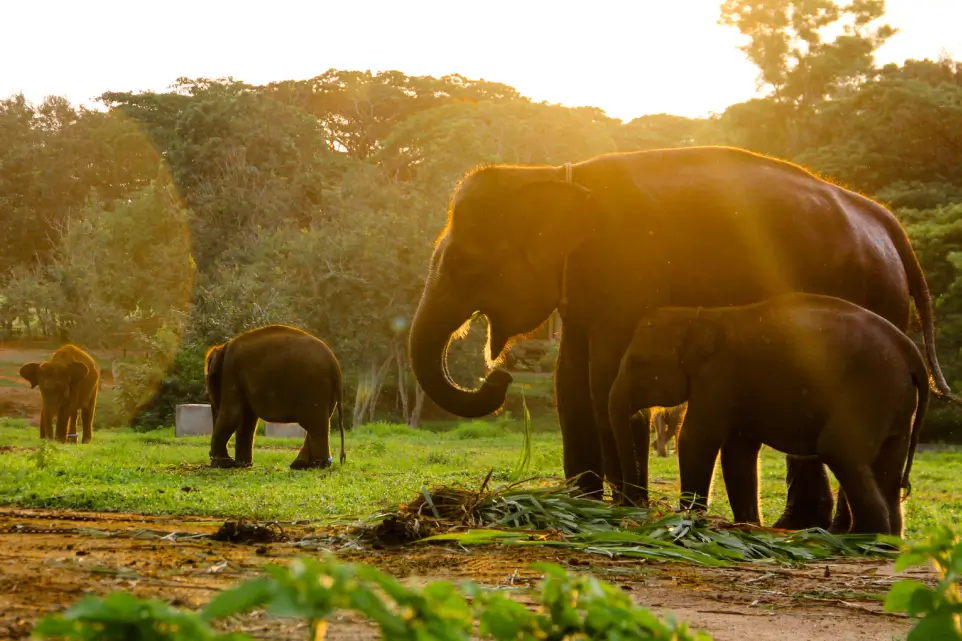
Elephants are considered one of the most intelligent species on the planet. They possess exceptional memory, exhibit empathy, grief, cooperation, and a complex social structure. In the wild, they travel great distances, communicate using low-frequency sounds, and form deep bonds with their families.
Separating them from their natural environment and subjecting them to tourist activities not only disrupts their natural behavior but also causes them profound physical and psychological suffering. And while riding an elephant may seem like an exotic and culturally enriching experience, the reality behind this activity is alarming.
Below, we explain the four main reasons behind our choice:
1. The domestication process is violent
For an elephant to accept being ridden, it must undergo a process called phajaan, or “breaking of the spirit.” This method involves separating the elephant from its mother at a young age, keeping it chained, depriving it of sleep, food, and water, and subjecting it to repeated beatings. The goal is to induce fear and submission.
2. Inadequate living conditions
Elephants used in tourism often live chained up, without access to large spaces or social interaction. Many develop stereotypical behaviors such as repetitive swaying, which indicate chronic stress.
3. Physical Problems
Riding elephants can cause serious injuries. Their spines are not designed to bear human weight, and the use of saddles (howdahs) can cause permanent damage. Furthermore, walking on hard surfaces for hours leads to joint and leg problems.
4. Continuous Exploitation
Unlike domestic animals, elephants do not have adequate rest periods. They work long hours, even in extreme temperatures, and are forced to interact with tourists constantly.
But what about working with them in other jobs? Is that also exploitation?
The answer is yes. Some argue that elephants can be used for tasks such as hauling cargo or participating in religious ceremonies. However, this also represents a form of exploitation. Elephants have not been domesticated like horses or dogs; their domestication is forced and unnatural.
Furthermore, working with elephants perpetuates the idea that they are tools, not living beings with rights. In many cases, elephants working in the entertainment or transportation industries suffer mistreatment, malnutrition, and isolation.
Responsible tourism is key to the OPEN EYES philosophy, and amidst this challenge, we have decided to act responsibly and are committed to ethical, inclusive, and animal-friendly tourism. Therefore, we do not include activities with elephants in our itineraries, tours, walks, visits to shows, or camps where interaction with captive elephants takes place.
At OPEN EYES, we are committed to interactions and actions that promote authentic experiences that respect wildlife and foster cultural connection without causing harm.
So, what can we do as travelers?
The responsibility doesn’t fall solely on the companies. As tourists, we have the power to change the industry with our choices. Here are some actions you can take:
- Research before participating in activities involving animals.
- Avoid tours that include elephant rides, shows, or forced interactions.
- Support companies that promote ethical tourism.
- Spread the word about animal abuse in tourism.
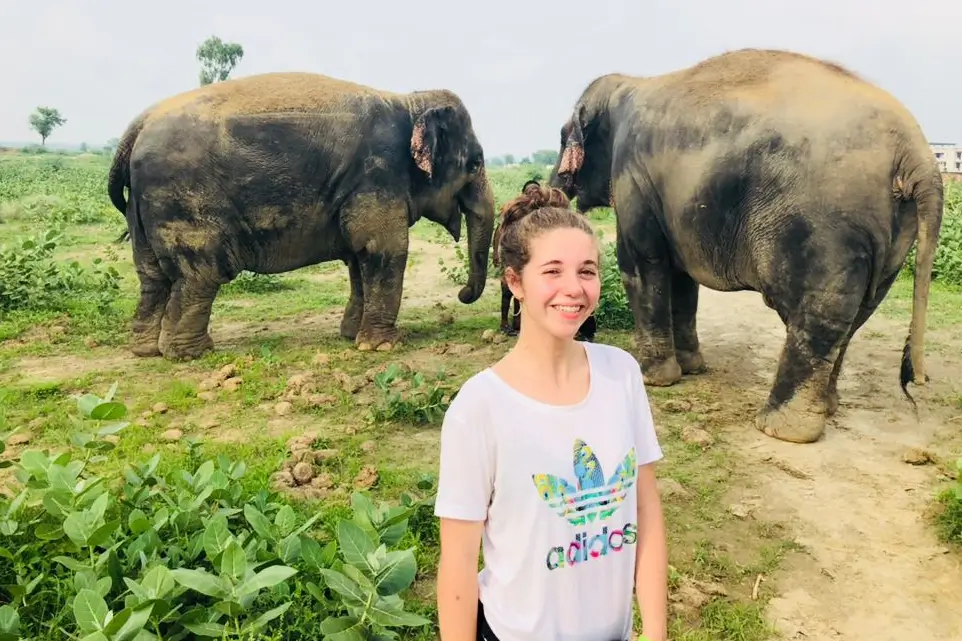
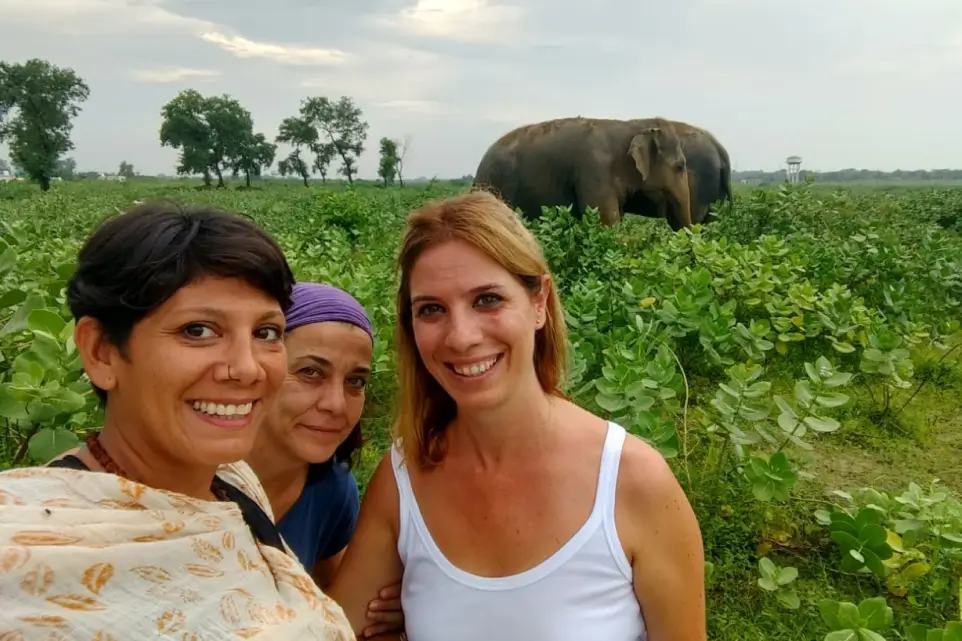
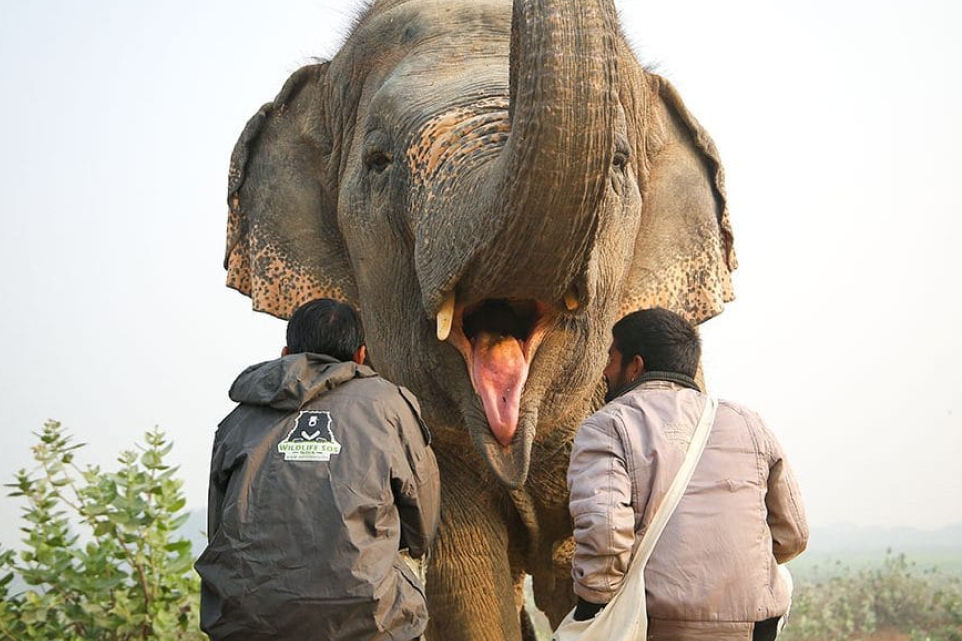
- Visit genuine sanctuaries where elephants live in natural conditions and are not forced to interact with humans.
Every time we say “no” to an activity that exploits elephants, we are taking a step towards a fairer world for them. And every time you choose OPEN EYES, you are supporting a tourism model that respects life in all its forms and whose contribution and approach are regenerative.