
INDIA. 10 Realities That Transform and Surprise
India is not just a country; it’s a sensorial, spiritual, and cultural experience that challenges our perceptions and invites us to look at life from unexpected angles. Beyond the Taj Mahal, yoga, and curry, there are little-known realities that can transform any traveler, student, or curious person who approaches it with an open mind. We share 10 aspects of India that are rarely discussed, but that have the power to change you.
1. Yoga as a spiritual path, not just a physical one
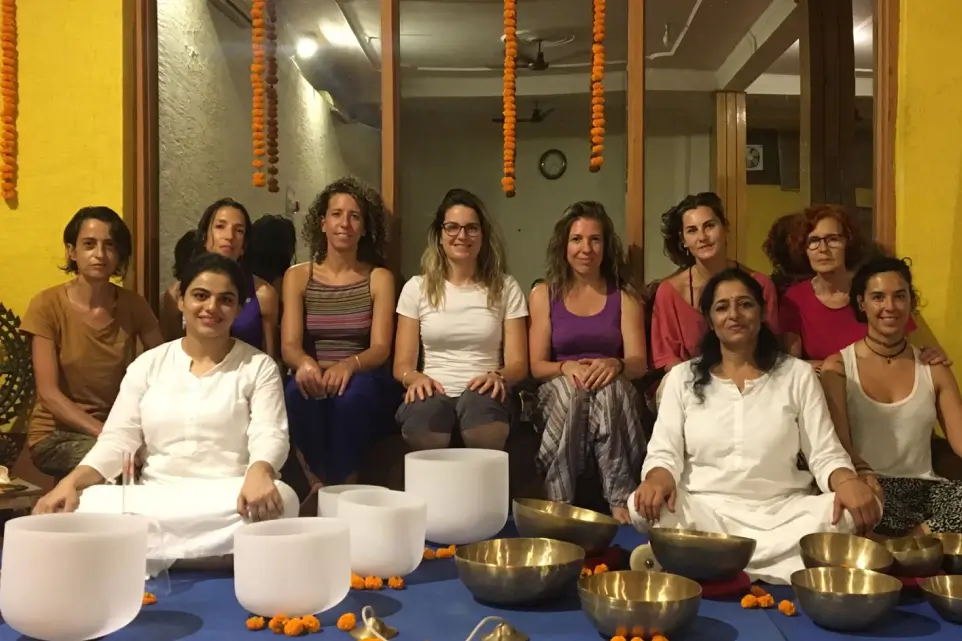
Although yoga has become globalized as a physical wellness practice, in India it is an ancient spiritual discipline. Yoga seeks the union of body, mind, and soul. The postures (asanas) are only one part; it also includes meditation, conscious breathing (pranayama), and ethical principles such as detachment and compassion.
Transformation: It teaches you that well-being is not only physical, but also emotional and spiritual. Practicing yoga in its original context can change your relationship with yourself.
2. The Coexistence of Multiple Religions
India is the birthplace of four religions: Hinduism, Buddhism, Jainism, and Sikhism. In addition, Muslims, Christians, Zoroastrians, and Jews coexist. This religious diversity is not only tolerated but also celebrated in festivals, temples, and rituals.
Transformation: One learns that spirituality takes many forms and that peaceful coexistence is possible even among very different beliefs.
3. Respect for cows and animal life
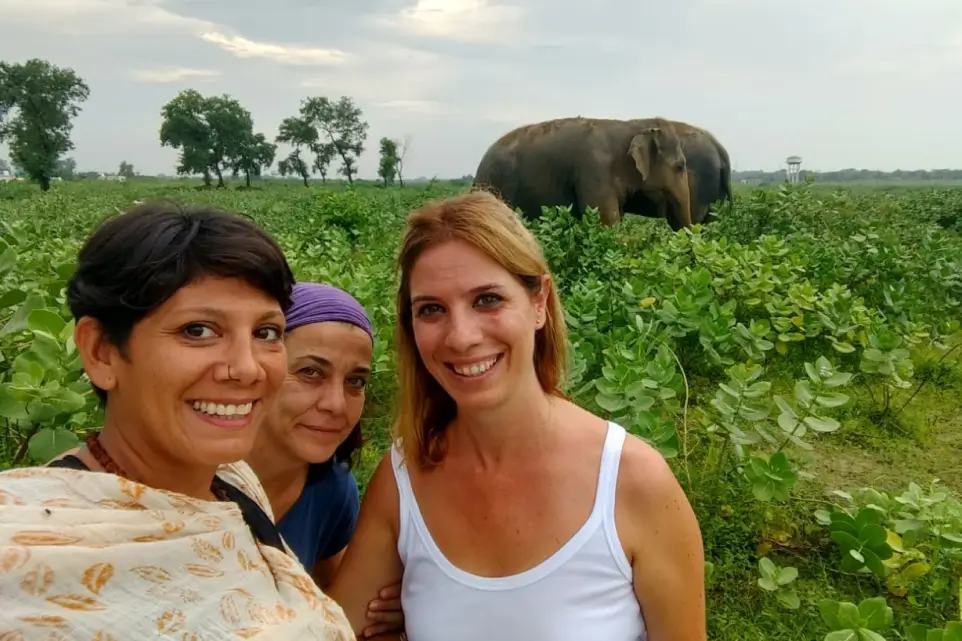
In India, cows are considered sacred. It’s not uncommon to see them walking freely through the streets, undisturbed. This respect extends to other animals, such as monkeys, elephants, and even rats in temples like Karni Mata.
Transformation: It invites you to rethink your relationship with animals and the concept of sacredness in everyday life.
4. The caste system: abolished but still present
Although the Indian Constitution abolished the caste system in 1950, its influence persists, especially in rural areas. This system classifies people by birth and has been a source of discrimination, but also of identity.
Transformation: It forces you to reflect on structural inequality and how traditions can perpetuate or challenge it.
5. Thousands of languages and dialects
India is a linguistic mosaic. Although Hindi and English are the official languages, there are 22 recognized languages and thousands of dialects. Each region has its own language, reflecting its history, culture, and worldview.
Transformation: You discover that language is more than communication. It is identity, resistance, and collective memory.
6. The Ganges. Place where life and death coexist
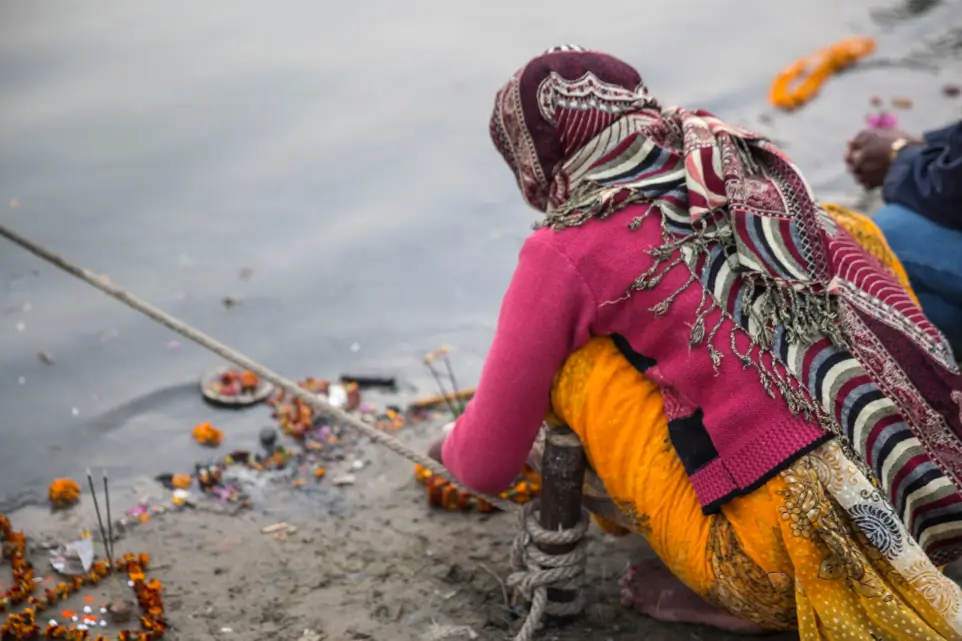
The Ganges River is considered sacred. In cities like Varanasi, people bathe there to purify themselves, while cremations take place just a few meters away. The same river hosts rituals of birth, death, and rebirth.
Transformation: It confronts you with the impermanence of life and the acceptance of death as part of the natural cycle.
7. Villages without doors or locks
In Maharashtra, there are villages like Shani Shingnapur, where houses have no doors. Residents believe that the god Shani protects the place, and that stealing there brings misfortune. Surprisingly, the crime rate is almost zero.
Transformation: It makes you question the need for constant vigilance and the power of collective faith.
8. The Art of Haggling and Subjective Value
In India, haggling is not just a commercial technique, but a form of social interaction. The price of a product can vary depending on your attitude, your history, or even your karma. There are no fixed prices in local markets, and bargaining is part of the game.
Transformation: You learn that the value of things isn’t always monetary, and that communication can be more important than economic exchange.
9. Eating with Your Right Hand: A Mindful Ritual
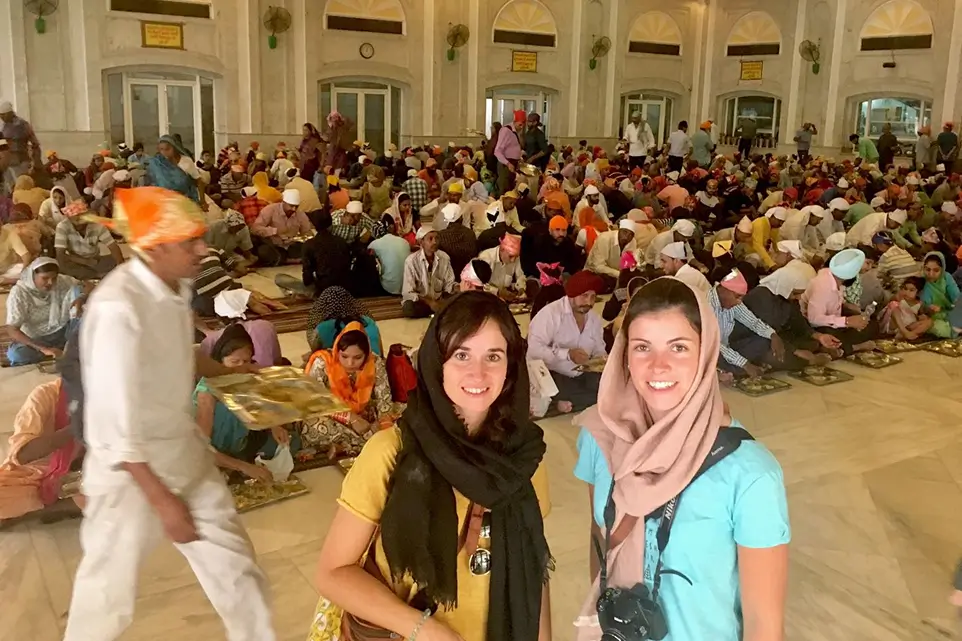
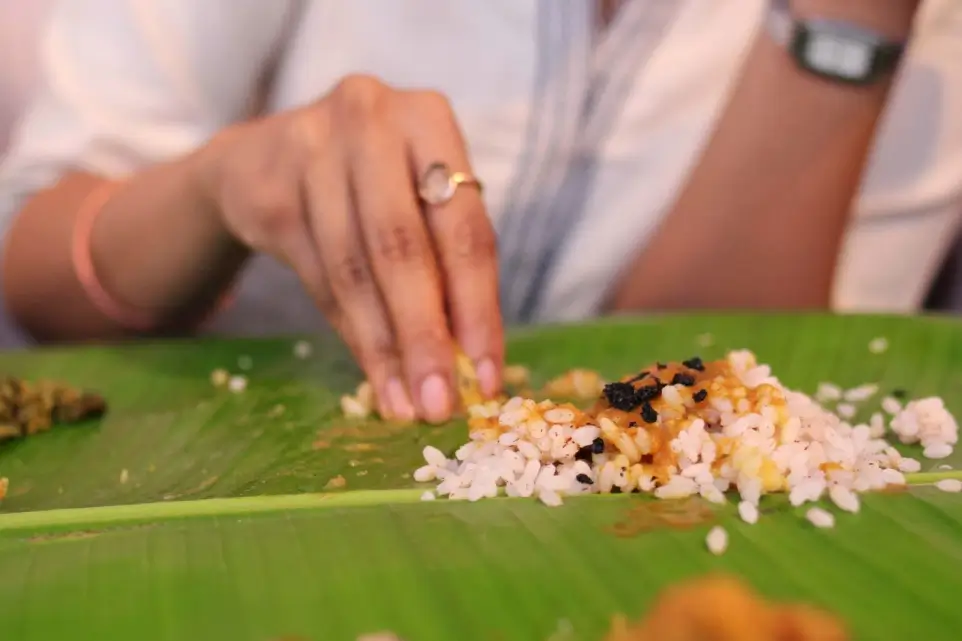
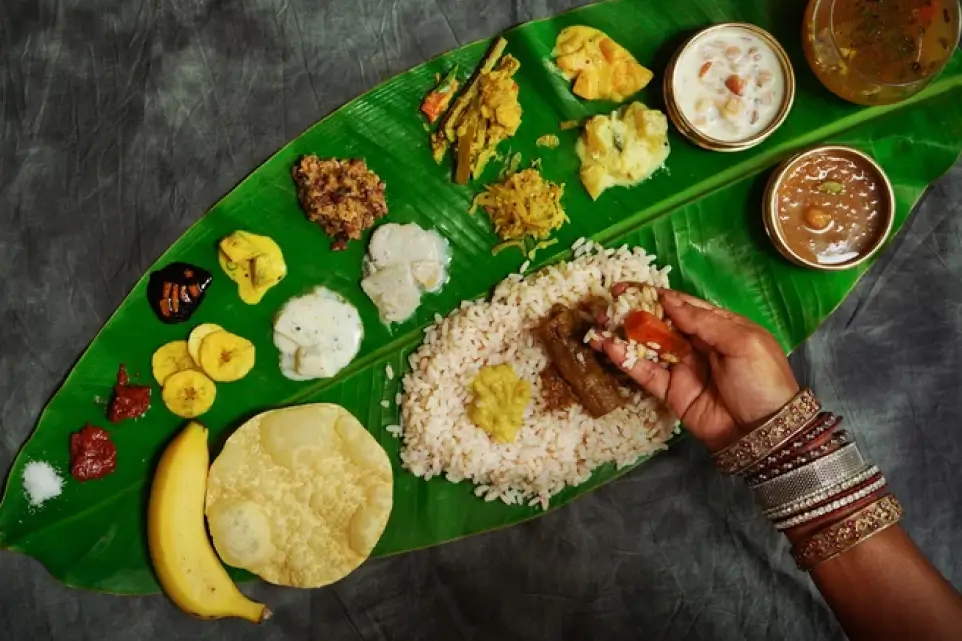
In many regions of India, people eat with their right hand, without cutlery. This practice has cultural and religious roots: the right hand is considered pure, while the left is reserved for impure tasks.
Transformation: It connects you with food in a more conscious, sensorial, and respectful way. Eating becomes a spiritual act.
10. Chaos as a Form of Order
Traffic in India may seem chaotic: rickshaws, cows, motorcycles, pedestrians, and trucks share the same space without traffic lights or clear rules. But within this apparent disorder, there is a fluid and adaptive logic.
Transformation: It teaches you to let go of control, trust the flow, and adapt to the environment without imposing your logic.
Our conclusion is that India is not just a destination; it is a mirror, a teacher who can be challenging but also invites a conscious and profound transformation.
India is not a country that is quickly understood. It is a place that confronts you, shakes you, distorts you, and changes you. Its little-known realities go beyond simple stereotypes; they reveal a spiritual depth, cultural diversity, and ancient wisdom that challenges our certainties.
Traveling to India is an invitation to unlearn, to look with new eyes, and to open your heart to ways of life that, although different, resonate with the most human part of us.
At OPEN EYES, we offer you that opportunity. Discover India with us and connect with your inner self.